Own your orders: the real ROI of online and mobile ordering for restaurants
Early summer brings a rush. Mother’s Day brunch orders, graduation party trays, Memorial Day cookout platters, and patio season cravings all hit at once. If your phone lines clog and your team is juggling walk-ins with takeout, you feel the pressure and the missed revenue from abandoned calls.
Owning your online and mobile ordering channel turns that rush into revenue. You capture higher tickets, move more orders per hour, and build a guest database you can actually use for loyalty and remarketing. Most important, you reduce your reliance on third-party marketplaces that tax your margins and hold your data.
In this guide, we break down what digital ordering is, how contactless flows work, where the ROI shows up, and how to launch a first-party system that is ready for the summer surge.
What digital ordering is, and how contactless flows work
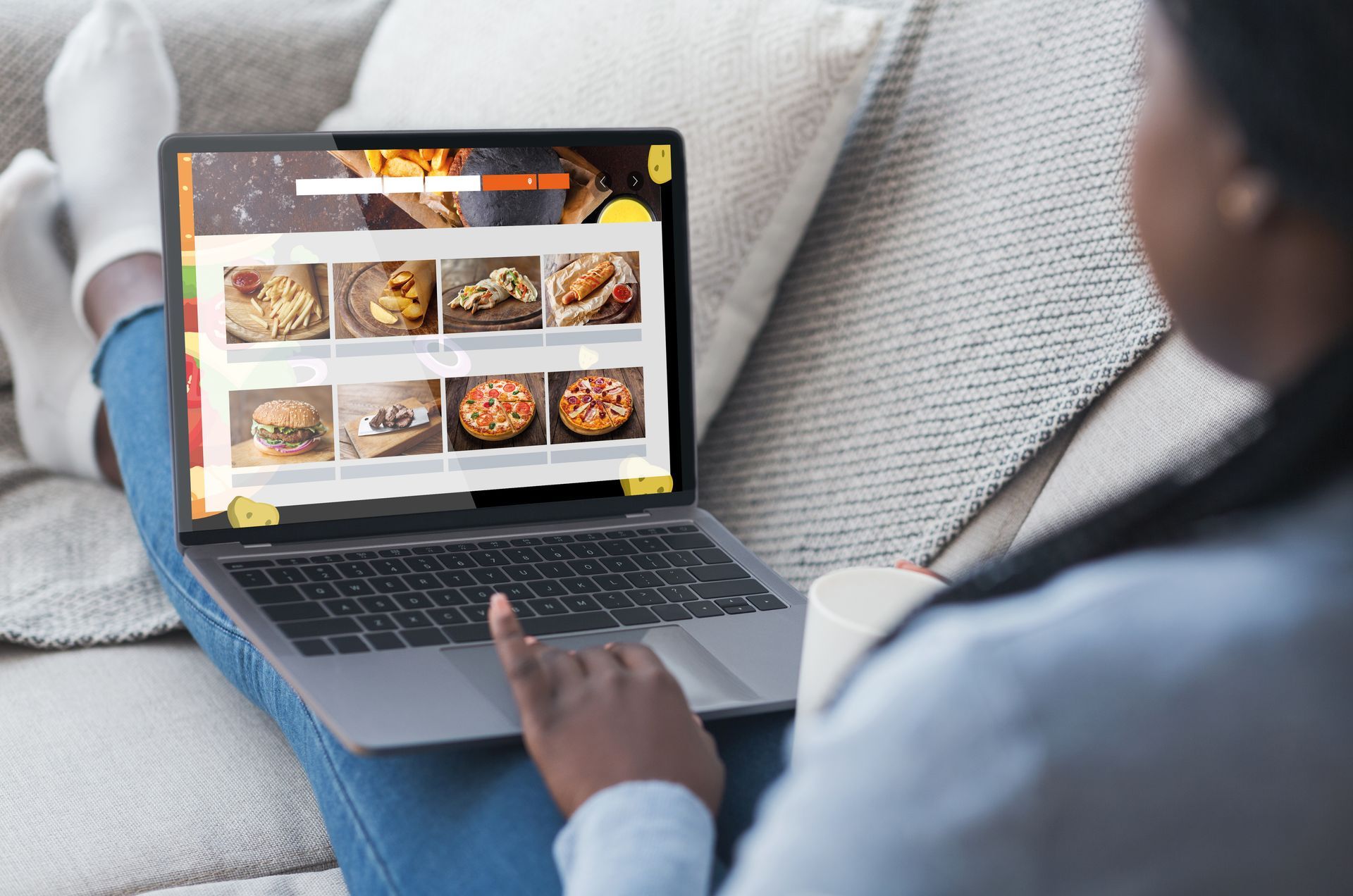
Digital ordering means guests place orders through your owned channels or partner integrations without using the phone. It includes your website’s Order Online page, a mobile-optimized checkout, a QR-based table or curbside flow, and app-based reordering. Contactless flows let guests browse, customize, pay, and receive confirmation without handing over a card or calling the host stand.
A typical guest path looks like this: they find your menu on Google, tap Order Online on your site, add items with options and upsells, choose pickup, curbside, or delivery, pay securely, and get SMS updates. For on-premise, a QR at the table can open your digital menu, route to a contactless ordering system, and settle the check with stored payment.
The business case for mobile ordering
Mobile is where intent turns into action. Here is why it pays off:
- Higher average check: clear modifiers and recommended add-ons increase basket size. Guests say yes to extra toppings, sides, and beverages when the choices are one tap away.
- Faster throughput: orders arrive structured and legible, which cuts remake risk and speeds the line during peak windows.
- Less phone time: fewer 6-minute calls and fewer busy signals means staff can focus on food and hospitality.
- Fewer errors: no misheard items or missed special instructions, plus instant order confirmations reduce disputes.
- Better data: first-party ordering gives you item-level purchase history, recency and frequency, and opt-ins for loyalty and email or SMS.
If you run a quick-service or fast-casual model, the ROI compounds. For example, a chain like Domino’s popularized order tracking and one-tap reorders. Two clear advantages of online ordering in that setting are repeatability through saved favorites and operational pacing through accurate timing windows. You can adapt those strengths to your brand with your own first-party tools.
Why you should own the channel, not rent it
Third-party marketplaces can extend your reach, but they come with tradeoffs: high fees, strict promotional rules, and limited access to customer data. With first-party online ordering on your website, you control the guest experience, brand presentation, pricing bundles, and loyalty enrollment, while keeping customer profiles for remarketing.
You do not have to choose one or the other. Many operators keep marketplaces for discovery and late-night volume while steering repeat guests to their own channel with in-bag inserts, QR codes on receipts, and order-tracking perks.
Pricing, fees, and parity
Do restaurants charge more for online orders? It depends. Some raise delivery menu prices to offset marketplace commissions and driver fees. For first-party orders, many brands maintain price parity and use transparent service or packaging fees only where needed. The key is clarity. Publish pickup and delivery pricing and explain any fees in plain language at checkout.
When you own the experience, you can test bundles instead of markups. Try a family pack, add a salad and dessert at a set discount, or offer a pickup-only special that protects margins without confusing guests.
How to set up first-party ordering that converts
A strong first-party system combines menu design, payments, loyalty, and analytics into a single, mobile-first flow.
Menu engineering for mobile:
- Rewrite item names and descriptions to be scannable. Put key selling points and dietary tags up front.
- Organize modifiers in logical steps, cap mandatory choices, and add one tap add-ons that lift check size.
- Use high-quality photos and set default quantities that reflect your ideal order.
Payment integration and security:
- Use PCI-compliant gateways with digital wallets for speed. Saved cards and Apple Pay or Google Pay keep lines moving.
- Offer curbside or scheduled pickup windows so kitchens can pace production.
Loyalty enrollment at checkout:
Prompt sign-in or sign-up right before payment. Make points or punch rewards visible next to the cart total.- Send first-order incentives by email or SMS and encourage reorders with one-click links.
Analytics and optimization:
- Track conversion rate from your Order Online button to completed checkout.
- Watch add-to-cart rates for top items, drop-offs on the modifier step, and average ticket by device.
- Test small changes weekly. Swap hero images, re-sequence categories, and refine upsells before Mother’s Day and graduation weekend.
If you need help integrating ordering, payments, loyalty, and reporting into a single, branded flow, explore our restaurant mobile ordering solutions, including secure online payment options and centralized reporting.
Communicate clearly, then amplify
A great ordering flow still needs visibility. Update your website hero with season-specific calls to action like Order Mother’s Day platters or Reserve patio seating, keep your Google Business Profile Order Online link current, and schedule short social posts with links to featured bundles.
For multi-location brands, align your seasonal message across channels. Consistency in imagery and copy reinforces brand recall and moves guests into your owned ordering path. If you are planning a summer push, our restaurant digital marketing playbooks coordinate web, SEO, email, and social to drive orders when it matters most.
First-party vs. marketplace: a quick comparison
Control and brand:
- First-party: you own the look, menu names, photos, and placement of upsells.
- Marketplace: templates limit creativity and can downplay your brand.
Fees and margins:
- First-party: predictable processing fees, typically lower than marketplace commissions.
- Marketplace: higher commissions and delivery fees that pressure margins.
Data and loyalty:
- First-party: full access to purchase history and opt-ins for remarketing.
- Marketplace: limited data access; loyalty lives on someone else’s platform.
Pricing and promotions:
- First-party: freedom to test bundles, pickup-only deals, and schedule-based offers.
- Marketplace: rules and parity requirements can limit creativity.
FAQ
What is digital ordering? Digital ordering is the process of placing and paying for restaurant orders through your website, mobile site, QR flow, or app instead of by phone or in person.
What are the benefits of mobile ordering? Mobile ordering typically lifts average check size, speeds throughput, reduces phone time and errors, and captures guest data for loyalty and remarketing.
Why order food online? It is faster, more accurate, and transparent. Guests can customize, see pricing and timing, pay securely, and receive confirmations without waiting on hold.
What are two advantages of online ordering in a fast-food chain such as Domino’s Pizza? Saved favorites enable quick repeat orders, and accurate timing windows help kitchens pace production and improve on-time handoffs. You can apply both advantages with your own first-party system.
Do restaurants charge more for online orders? Some do, especially on third-party marketplaces to offset commissions. For first-party pickup, many keep price parity and use bundles or specials to protect margins. Clear disclosures at checkout build trust.
Next steps and summer timing
Own your summer rush. Tighten your menu for mobile, integrate secure payments and loyalty, and make analytics your weekly habit. Align your website, Google Business Profile, and social captions so guests find a clear Order Online path before Mother’s Day and graduation weekends.
Want to see how a branded ordering flow, loyalty enrollment at checkout, and centralized reporting fit together? Book a quick demo of our online food ordering solutions. If your website needs a faster, conversion-focused refresh to support ordering and seasonal CTAs, our restaurant web design team can help you launch quickly. And if you are mapping campaigns for early summer, explore our restaurant marketing strategies to coordinate SEO, email, and social around your biggest ordering days.