Blog
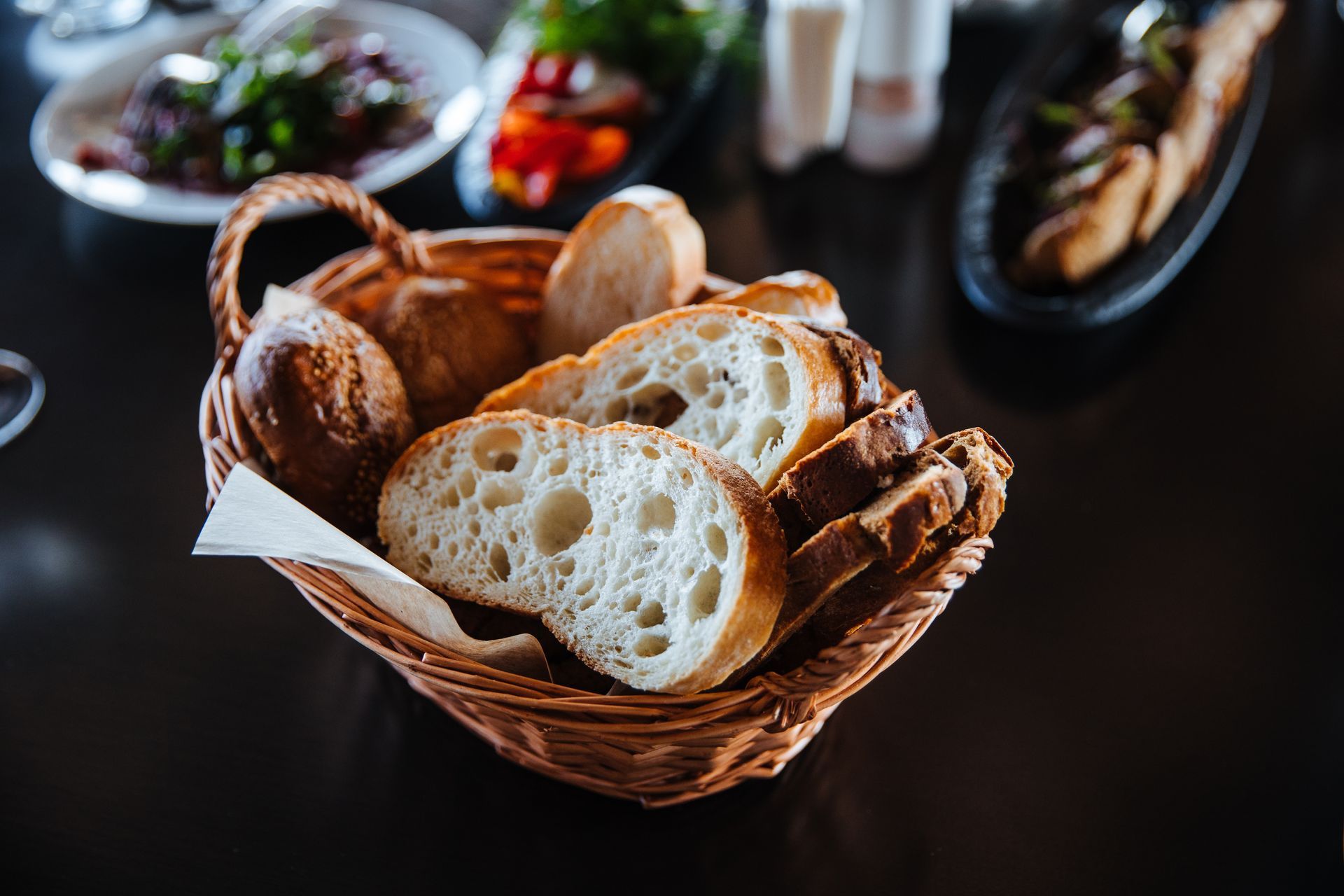
Summer patios are full, pre-fall planning is on your mind, and every table matters. Email is still the quiet workhorse that turns first-time diners into regulars, fills slow nights, and keeps your brand top of mind when cravings hit. If you have a reservation system, online ordering, or guest Wi-Fi, you already have the backbone for a profitable email program. The opportunity is to connect those touchpoints, segment by behavior, and automate the right offers at the right moments. At Delicious Marketing Experts, we help restaurants use email and SMS to drive measurable actions, not just opens. Below is a practical playbook you can copy, adapt, and launch this month. Why email still delivers ROI for restaurants Email continues to outperform most channels on cost per conversion because you own the audience and the message. No bidding wars or shrinking reach. You can send timely prompts that land between a menu browse and a booking, and you can attribute results to reservations, online orders, and gift card sales. Typical restaurant wins include higher repeat visits from lapsed guests, bigger average checks when pairing emails with online ordering upsells, and improved booking pace when campaigns match known planning windows such as weekends, holidays, and events. Results vary by list quality and offer relevance, but across hospitality, email often ranks among the highest ROI channels because it moves known diners to take the next action quickly. Build a list where guests already say yes You do not need pop-ups everywhere. Grow your list in moments of high intent and delight: Online ordering and checkout: add a clearly labeled email opt-in with a one-liner about perks like early access to specials or birthday treats. Reservations and waitlists: include a consent checkbox to receive confirmations, VIP previews, and occasional offers. Secure guest Wi-Fi: gate access with a quick opt-in and a welcome perk such as a free appetizer on the next visit. Events and experiences: use sign-up forms for tastings, chef dinners, live music, and holiday seatings. Tie all paths to a single source of truth so you can segment by visit behavior and favorites later. For help integrating ordering, reservations, and opt-ins into a conversion-first site, explore our guidance on restaurant digital marketing on our homepage at Delicious Marketing Experts. Segment by behavior and favorites Relevance drives revenue. Start simple, then refine: Visit recency: new, active, and lapsed guests get different messages and offers. Daypart: brunch fans vs. dinner regulars. Favorites and cuisine cues: tacos on Tuesdays for your Mexican cuisine lovers, seafood spotlights for those who click fish and oyster content. Occasion signals: families who order bundles, couples who book around Valentine’s Day, group diners who reserve larger tables. Keep your data tidy. Use one primary label for each segment and stick with it so automations and analytics stay clean. Automation plays that consistently work Think of automations as your always-on staff, nudging guests back with timely value. Welcome series: send a warm brand intro, your top three dishes with photos, and a soft perk such as a dessert upgrade within the first 7 days. End with a clear Reserve Now or Order Online CTA. Birthday offer: trigger 7 to 10 days before the birthday, remind 2 days before, and provide a gentle last-call after. Make it celebratory, capped, and easy to redeem. Lapsed guest win-back: at 45 to 60 days without a visit, share a mouthwatering carousel and a small incentive. At 90 days, test a stronger hook paired with seasonal dishes. VIP or loyalty tier: surprise-and-delight previews, early booking windows for holidays, and double-points nights on slower weekdays. Pair key automations with a brief SMS reminder when appropriate to catch mobile readers near a decision moment. The 5 T’s for restaurants: Target, Timing, Tease, Taste, Track Target: send to the right segment. Match message to guest intent and past behavior. Timing: align with booking and ordering windows. Weekends fill on Wednesday and Thursday. Holiday bookings ramp 2 to 6 weeks out. Tease: write subject lines that spark curiosity without clickbait. Lead with the benefit or the occasion. Taste: photography that sells the bite. Tight, well-lit food shots and short copy that gets to the point. Make templates mobile-first. Track: define success upfront. Measure reservations, online orders, and redemptions, not just opens. Practical rules of thumb that keep results climbing 80/20 value-to-promo: about 80 percent of your messages should be value, stories, and helpful updates, with 20 percent direct promotion. Over a month, this balance builds trust and keeps unsubscribes low. One email, one primary CTA: Reserve Now, Order Online, or View Menu. Do not make people choose between six paths. Mobile-first templates: big tappable buttons, 16 px minimum body text, short paragraphs, and image compression for fast loads. Mouthwatering imagery: lead with your hero dish, a craveable handheld moment, or a well-styled seasonal special. Add alt text for accessibility and SEO. If your website needs a faster, mobile-first foundation for these CTAs, see our hospitality website design overview for best practices that convert. A 30-day sample calendar for summer into pre-fall Week 1 Mon: Welcome series going to new sign-ups from Wi-Fi and recent orders, with top 3 summer dishes and a dessert upgrade. Thu: Patio spotlight with a light booking nudge for the weekend, plus a teaser for next week’s chef feature. Week 2 Tue: Taco Tuesday or pasta night for cuisine-lovers, with an upsell bundle for online ordering. Fri: Weekend availability update, featuring live music or brunch with a simple Reserve Now CTA. Week 3 Mon: Lapsed guest win-back to 60-day segment, featuring a seasonal entree and a modest incentive valid Monday to Wednesday. Wed: Midweek slow-night boost, such as a wine flight or happy-hour bites, tied to a two-day window. Week 4 Tue: Pre-fall preview, inviting VIPs to early booking for Labor Day weekend or a chef’s tasting event. Sat morning: Last-call SMS or short email for Sunday brunch availability with a clear Book Now. Tie content to holidays and local moments: National Tequila Day, neighborhood festivals, back-to-school routines, early football Sundays. For consistent cross-channel execution, you can align this calendar with your broader restaurant marketing strategies on our digital marketing page. Answers to common questions Is email marketing good for restaurants? Yes. Email typically delivers one of the strongest returns in hospitality because you are messaging known guests with timely, relevant prompts that lead directly to reservations and online orders. Is email marketing still worth it? It is worth it when you grow a permission-based list, segment by behavior, and track conversions. The cost is low, the targeting is precise, and the results are measurable. What are the 5 T’s of email marketing? For restaurants, use Target, Timing, Tease, Taste, and Track. Send the right message to the right guests, at the right moment, with craveable visuals, and measure what matters. What is the 80/20 rule in email marketing? Roughly 80 percent value and storytelling, 20 percent direct promotions. This balance builds loyalty while still driving action. What is the highest ROI for email marketing? ROI varies, but email often ranks at or near the top for restaurants due to low cost and high conversion potential from repeat guests and timely offers. Bring it together with your brand and site Email works even better when your brand is consistent across menu, website, and social. Strong visuals and voice increase recognition and click-through. If you are planning a refresh, our restaurant branding services can help unify your identity across the plate, the page, and the inbox. Next step If you want this built for you, we set up the list growth points, segmenting, automations, and mobile-first templates, then connect them to your online ordering and reservation flows. Book a quick consult and we will map a done-for-you email setup that keeps seats filled and regulars returning. Internal links you may find helpful: Learn how a conversion-first site and ordering flow support email with our overview of restaurant digital marketing on our homepage at Delicious Marketing Experts: https://www.deliciousmarketingexperts.com/ Explore hospitality website design principles that make Reserve Now and Order Online effortless: https://www.deliciousmarketingexperts.com/web-design-services-for-restaurants See how strategic positioning and visual identity elevate every send with our restaurant branding services: https://www.deliciousmarketingexperts.com/restaurant-branding-services Summary: Email still delivers because it meets guests where they are, turns intent into action, and compounds over time with smart automation. Focus on list growth at natural touchpoints, segment by behavior, run the four core automations, stick to the 5 T’s, and keep templates mobile and mouthwatering. When you are ready, we can launch your done-for-you setup and templates so your next campaign seats more guests with less effort.
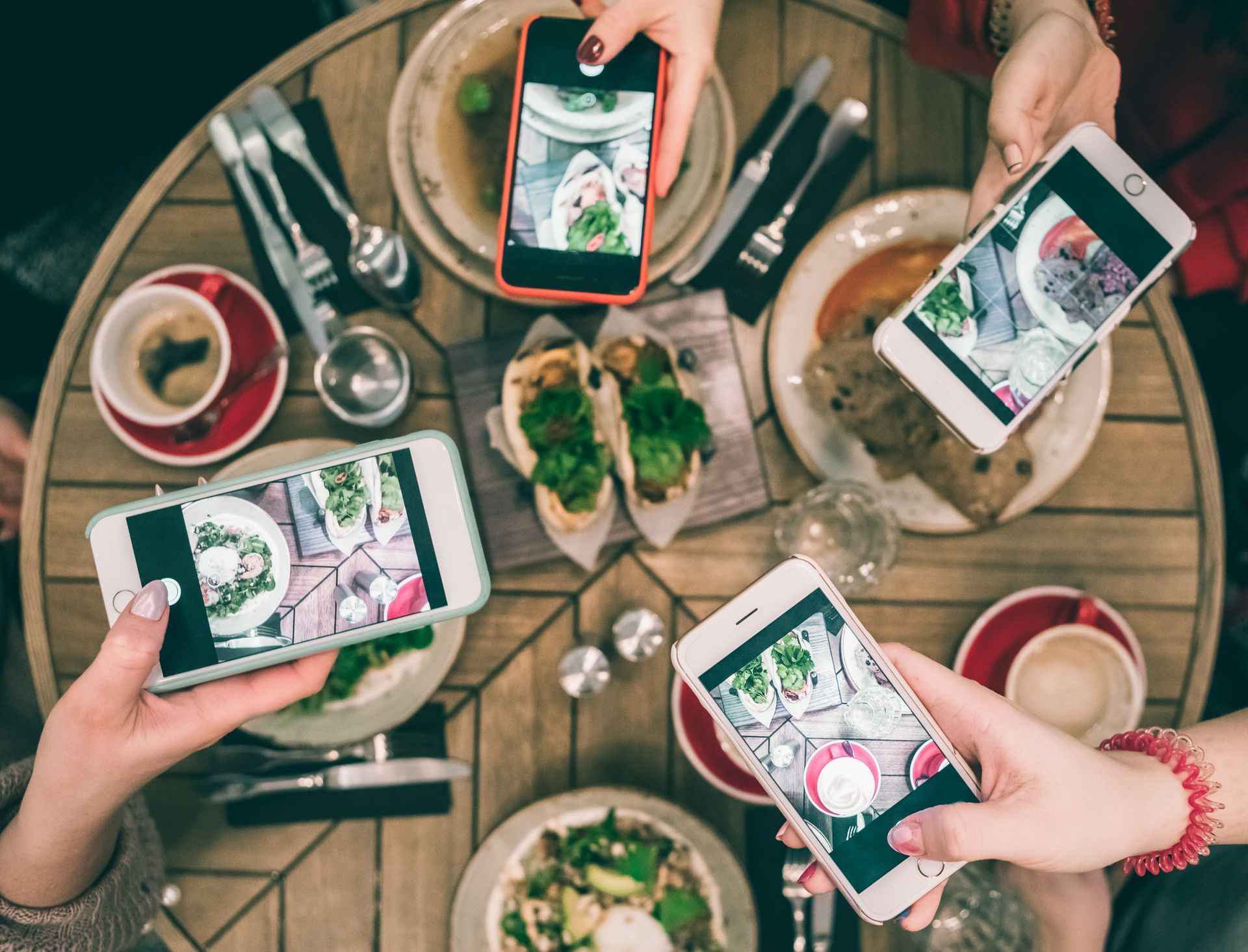
Early summer brings a rush. Mother’s Day brunch orders, graduation party trays, Memorial Day cookout platters, and patio season cravings all hit at once. If your phone lines clog and your team is juggling walk-ins with takeout, you feel the pressure and the missed revenue from abandoned calls. Owning your online and mobile ordering channel turns that rush into revenue. You capture higher tickets, move more orders per hour, and build a guest database you can actually use for loyalty and remarketing. Most important, you reduce your reliance on third-party marketplaces that tax your margins and hold your data. In this guide, we break down what digital ordering is, how contactless flows work, where the ROI shows up, and how to launch a first-party system that is ready for the summer surge. What digital ordering is, and how contactless flows work Digital ordering means guests place orders through your owned channels or partner integrations without using the phone. It includes your website’s Order Online page, a mobile-optimized checkout, a QR-based table or curbside flow, and app-based reordering. Contactless flows let guests browse, customize, pay, and receive confirmation without handing over a card or calling the host stand. A typical guest path looks like this: they find your menu on Google, tap Order Online on your site, add items with options and upsells, choose pickup, curbside, or delivery, pay securely, and get SMS updates. For on-premise, a QR at the table can open your digital menu, route to a contactless ordering system, and settle the check with stored payment. The business case for mobile ordering Mobile is where intent turns into action. Here is why it pays off: Higher average check: clear modifiers and recommended add-ons increase basket size. Guests say yes to extra toppings, sides, and beverages when the choices are one tap away. Faster throughput: orders arrive structured and legible, which cuts remake risk and speeds the line during peak windows. Less phone time: fewer 6-minute calls and fewer busy signals means staff can focus on food and hospitality. Fewer errors: no misheard items or missed special instructions, plus instant order confirmations reduce disputes. Better data: first-party ordering gives you item-level purchase history, recency and frequency, and opt-ins for loyalty and email or SMS. If you run a quick-service or fast-casual model, the ROI compounds. For example, a chain like Domino’s popularized order tracking and one-tap reorders. Two clear advantages of online ordering in that setting are repeatability through saved favorites and operational pacing through accurate timing windows. You can adapt those strengths to your brand with your own first-party tools. Why you should own the channel, not rent it Third-party marketplaces can extend your reach, but they come with tradeoffs: high fees, strict promotional rules, and limited access to customer data. With first-party online ordering on your website, you control the guest experience, brand presentation, pricing bundles, and loyalty enrollment, while keeping customer profiles for remarketing. You do not have to choose one or the other. Many operators keep marketplaces for discovery and late-night volume while steering repeat guests to their own channel with in-bag inserts, QR codes on receipts, and order-tracking perks. Pricing, fees, and parity Do restaurants charge more for online orders? It depends. Some raise delivery menu prices to offset marketplace commissions and driver fees. For first-party orders, many brands maintain price parity and use transparent service or packaging fees only where needed. The key is clarity. Publish pickup and delivery pricing and explain any fees in plain language at checkout. When you own the experience, you can test bundles instead of markups. Try a family pack, add a salad and dessert at a set discount, or offer a pickup-only special that protects margins without confusing guests. How to set up first-party ordering that converts A strong first-party system combines menu design, payments, loyalty, and analytics into a single, mobile-first flow. Menu engineering for mobile: Rewrite item names and descriptions to be scannable. Put key selling points and dietary tags up front. Organize modifiers in logical steps, cap mandatory choices, and add one tap add-ons that lift check size. Use high-quality photos and set default quantities that reflect your ideal order. Payment integration and security: Use PCI-compliant gateways with digital wallets for speed. Saved cards and Apple Pay or Google Pay keep lines moving. Offer curbside or scheduled pickup windows so kitchens can pace production. Loyalty enrollment at checkout: Prompt sign-in or sign-up right before payment. Make points or punch rewards visible next to the cart total. Send first-order incentives by email or SMS and encourage reorders with one-click links. Analytics and optimization: Track conversion rate from your Order Online button to completed checkout. Watch add-to-cart rates for top items, drop-offs on the modifier step, and average ticket by device. Test small changes weekly. Swap hero images, re-sequence categories, and refine upsells before Mother’s Day and graduation weekend. If you need help integrating ordering, payments, loyalty, and reporting into a single, branded flow, explore our restaurant mobile ordering solutions, including secure online payment options and centralized reporting. Communicate clearly, then amplify A great ordering flow still needs visibility. Update your website hero with season-specific calls to action like Order Mother’s Day platters or Reserve patio seating, keep your Google Business Profile Order Online link current, and schedule short social posts with links to featured bundles. For multi-location brands, align your seasonal message across channels. Consistency in imagery and copy reinforces brand recall and moves guests into your owned ordering path. If you are planning a summer push, our restaurant digital marketing playbooks coordinate web, SEO, email, and social to drive orders when it matters most. First-party vs. marketplace: a quick comparison Control and brand: First-party: you own the look, menu names, photos, and placement of upsells. Marketplace: templates limit creativity and can downplay your brand. Fees and margins: First-party: predictable processing fees, typically lower than marketplace commissions. Marketplace: higher commissions and delivery fees that pressure margins. Data and loyalty: First-party: full access to purchase history and opt-ins for remarketing. Marketplace: limited data access; loyalty lives on someone else’s platform. Pricing and promotions: First-party: freedom to test bundles, pickup-only deals, and schedule-based offers. Marketplace: rules and parity requirements can limit creativity. FAQ What is digital ordering? Digital ordering is the process of placing and paying for restaurant orders through your website, mobile site, QR flow, or app instead of by phone or in person. What are the benefits of mobile ordering? Mobile ordering typically lifts average check size, speeds throughput, reduces phone time and errors, and captures guest data for loyalty and remarketing. Why order food online? It is faster, more accurate, and transparent. Guests can customize, see pricing and timing, pay securely, and receive confirmations without waiting on hold. What are two advantages of online ordering in a fast-food chain such as Domino’s Pizza? Saved favorites enable quick repeat orders, and accurate timing windows help kitchens pace production and improve on-time handoffs. You can apply both advantages with your own first-party system. Do restaurants charge more for online orders? Some do, especially on third-party marketplaces to offset commissions. For first-party pickup, many keep price parity and use bundles or specials to protect margins. Clear disclosures at checkout build trust. Next steps and summer timing Own your summer rush. Tighten your menu for mobile, integrate secure payments and loyalty, and make analytics your weekly habit. Align your website, Google Business Profile, and social captions so guests find a clear Order Online path before Mother’s Day and graduation weekends. Want to see how a branded ordering flow, loyalty enrollment at checkout, and centralized reporting fit together? Book a quick demo of our online food ordering solutions. If your website needs a faster, conversion-focused refresh to support ordering and seasonal CTAs, our restaurant web design team can help you launch quickly. And if you are mapping campaigns for early summer, explore our restaurant marketing strategies to coordinate SEO, email, and social around your biggest ordering days.
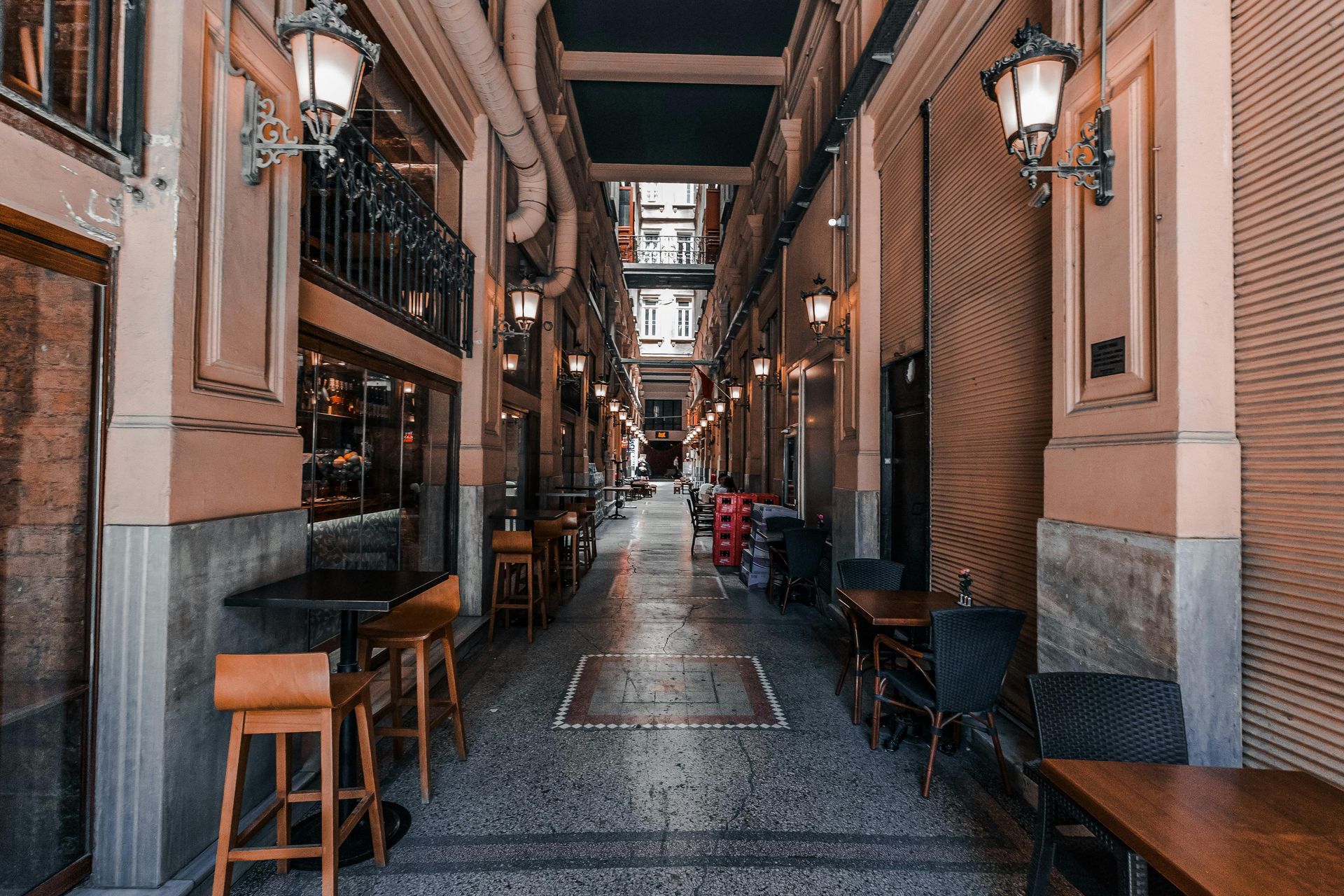
A memorable restaurant brand does more than look good on a sign. It lives on your menu, in your tone of voice, across your photography, and inside every tap on your website. When your story shows up consistently from the plate to the page, guests feel it, remember it, and convert. In this guide, we walk through the building blocks of restaurant branding that performs in the real world. You will see how to translate strategy into names, logos, colors, typography, photography, menu design, and a mobile-first website that moves people to reserve or order. If you want momentum before Mother’s Day and graduation season, there is also a quick refresh checklist you can run in a week. When you are ready, book a brand consult and we will map the path with you. The 3 Ps: purpose, promise, personality Start with clarity. The 3 Ps align your decisions and keep every touchpoint on brand. Purpose: Why you exist beyond serving food. Maybe you champion local growers, keep family recipes alive, or create a casual, no-rules taco escape. Purpose anchors choices, from sourcing to seasonal stories. Promise: The experience a guest can count on every visit. Fast-casual speed with chef-quality flavor, a relaxed wine bar with impeccable pairings, or a Sunday roast that never misses. Write it in plain language and hold to it. Personality: The voice and visual vibe. Are you warm and neighborly, bold and playful, or refined and minimalist? Personality shows up in your name, copy tone, color palette, iconography, and photo direction. Keep the 3 Ps visible in your brand guidelines so your team, photographer, and partners deliver consistently. The 5 pillars: a simple brand strategy you can use Build on five core pillars that connect brand to performance. Audience: Who are your primary guests and what do they hire you for? Families on weekends, lunch regulars on tight timelines, date-night diners, or game-day groups. This affects portions, photography, and call-to-action phrasing. Positioning: Your space in the market. Name your neighborhood, cuisine focus, price posture, and signature strengths. A single sentence works: “Fast-casual Mediterranean in Lakeview with bold flavors and an easy online order flow.” Identity: The visual and verbal system. Logo, secondary marks, color, typography, icon styles, motion rules, and voice principles tied to your 3 Ps. Messaging: Your story framework. Origin, signature dishes, sourcing, hospitality philosophy, and guest benefits written in scannable, mobile-friendly copy. Experience: Where the brand meets reality. Menu structure, table touches, plating, host greetings, reservation flows, online ordering, curbside instructions, and post-visit follow-ups. When these pillars align, every channel works harder, from your menu to your Google Business Profile. Translate strategy into name, logo, color, and type Name: Aim for short, pronounceable, and ownable. Test how it reads on a menu, mobile header, and a social avatar. Say it out loud and ask a host to answer the phone with it. Logo: Create a primary wordmark, a horizontal lockup for headers, and a compact mark for favicons and social. Ensure it is legible at 24 pixels on a bright background and on a dark hero image. Color: Choose a core palette with contrast for accessibility and wayfinding. Assign roles, such as primary for actions, secondary for highlights, neutrals for backgrounds, and accents for specials. Typography: Pick one display type for headlines and one highly readable body font for menus and web. Build a scale that survives mobile, such as H1 at 28-32, H2 at 22-26, body at 16-18. Test numbers, prices, and diacritics. Voice: Document tone lines, such as “welcoming, ingredient-led, never fussy.” Include do and don’t examples so your team knows how to write dish descriptions and social captions. Photography that sells the bite Photography is conversion power. Define an approach that supports your positioning: natural light with crisp shadows for freshness; tight macro for crave shots; wider context for tables, cocktails, and team culture. Shoot hero dishes, handheld moments, group platters, and seasonal features. Keep a library sized for mobile and speed-optimized with alt text and descriptive file names. If you need help, our team offers restaurant photography, from styled hero images to interior and kitchen storytelling, ready for web, social, and ads. Menus that guide choices on paper and online Menu design is brand in action. Use hierarchy to guide eyes, group items by decision paths, and surface guest favorites with icons or chef notes. Keep pricing placement consistent and avoid clutter. Online, ditch static PDFs for interactive, mobile-first pages. Guests should filter by dietary needs, tap to order or reserve, and see photos where it matters. Crawlable item pages help search visibility and make new dishes discoverable. Pixel-perfect restaurant UX that converts Your website is the front door that never closes. Lead with the actions people want right now: Reserve, Order, View Menu, Hours, Directions, and Call. Keep header buttons persistent, compress images, and write scannable copy. SEO matters, but usability wins the day. We build responsive sites with schema for Restaurant, Menu, and Event, plus analytics tracking for reservations, orders, calls, and gift card clicks. Explore our approach to restaurant web design and see how we structure mobile-first menus and conversion paths. Learn more about hospitality website design and UX on our services page: https://www.deliciousmarketingexperts.com/web-design-services-for-restaurants If you are planning growth across channels, see how our restaurant branding comes to life with identity, menus, and site builds: https://www.deliciousmarketingexperts.com/restaurant-branding-services What a branding package includes A complete restaurant branding package typically covers discovery and strategy workshops; naming support; brand messaging; logo suite with primary, secondary, and icon marks; color palette with usage guidance; typography pairings and scale; pattern, texture, and iconography; photography direction and shot list; menu design templates for dine-in and online; social avatar and post templates; and web UX guidance with component styles for buttons, forms, and cards. At Delicious Marketing Experts, we also align your Google Business Profile, connect schema and metadata basics, and prepare content blocks that are ready for SEO. Timelines and investment ranges Operators need speed. We move quickly, and timelines vary by scope. Identity sprints and menu refreshes often wrap in weeks, and seasonal landing pages can launch in days when assets are ready. Core website packages start at $499 for a 10-page, conversion-first template, Advanced SEO services start at $139 per month, and ADA compliance monitoring is $39 per month. Bespoke branding, photography, PPC, multi-location rollouts, and custom UX are priced via consultation. Mini refresh checklist for Mother’s Day and graduations Use this 7-day tune-up to maximize bookings and orders: Update homepage hero with seasonal photography, prix fixe highlights, and a Reserve Now button. Publish a dedicated landing section for Mother’s Day or grad celebrations with menu tiers and seating windows. Refresh your Google Business Profile with current hours, new photos, and an event post linked to reservations. Add quick links for gift cards, group dining, and family-style takeout on mobile. Edit online menus for seasonal items, add photos to best sellers, and confirm prices. Schedule one email plus one SMS reminder to your list highlighting booking cutoffs. Coordinate three social posts with direct links to reserve or order; pin the top post. If you want a hand getting this live, we can coordinate creative, landing pages, GBP posts, and social in days. FAQ: quick answers to common questions How do you do branding for a restaurant? Start with the 3 Ps, define your audience and positioning, then build identity, messaging, and experience that deliver on your promise. Translate choices into a name, logo system, colors, type, photography, menus, and a mobile-first website with clear actions. What are the 3 Ps of branding? Purpose, Promise, and Personality. They guide decisions and keep your visuals, voice, and guest experience consistent. What are the 5 pillars of brand strategy? Audience, Positioning, Identity, Messaging, and Experience. Use them as your roadmap from strategy to execution. What does a branding package include? Strategy, messaging, logo suite, color and typography, photography direction, menu design, social templates, and web UX guidance. Our packages also consider SEO and Google Business Profile alignment. How much do branding agencies cost? Pricing varies by scope and market. Our base website package starts at $499, Advanced SEO starts at $139 per month, ADA monitoring is $39 per month, and custom branding, photography, and campaigns are quoted after a consult. How we can help, end to end We connect brand strategy to conversion with identity systems, menu and photography production, and conversion-first websites. If you need channel support, our team manages restaurant digital marketing across local SEO, Google Business Profile, email, SMS, social, and paid media to keep seasonal moments coordinated and measurable. See a broader view of our restaurant marketing services here: https://www.deliciousmarketingexperts.com/ Final take and next step Branding that sticks is simple to understand and hard to forget. Lead with the 3 Ps, anchor to the 5 pillars, and let every decision show up on the plate and the page. If you are preparing for a seasonal push or a full rebrand, book a brand consult and we will outline a fast, practical plan to get your story online and converting.
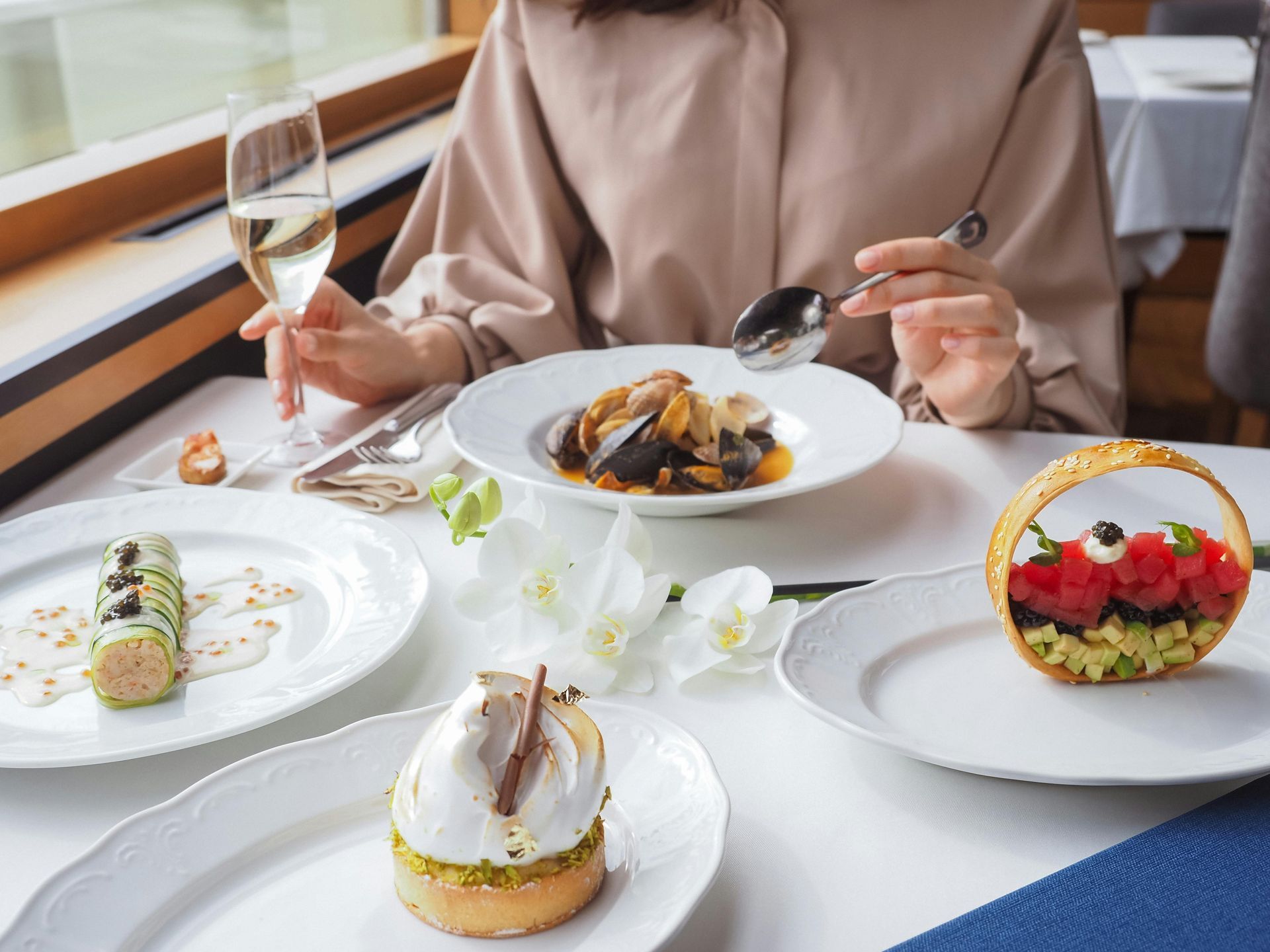
Spring brings longer days, patio openings, and travelers planning weekend escapes. It is also the moment when diners and guests actively search for what is new nearby. If your digital presence is not tuned for spring intent, you leave seats and room nights on the table. This playbook maps a restaurant-first hospitality marketing plan that aligns channels around Easter brunch, spring menus, and patio season. You will see how to pair SEO and Google Business Profile with PPC for high-intent diners, how email and SMS lock in repeat visits, and how photo-led storytelling turns interest into bookings. We close with a simple measurement framework and how our team launches seasonal campaigns quickly with on-brand creative and analytics. What hospitality digital marketing is and why it matters Hospitality digital marketing is the coordinated use of online channels to help people discover, choose, and return to restaurants and hotels. The core goals are consistent across concepts and price points: increase visibility in local search, convert discovery into reservations and orders, and drive repeat visits with loyalty and smart retention. For restaurants and hotels, that means being present the instant someone searches “best patio near me,” “Easter brunch buffet,” or “weekend getaway with free breakfast.” It also means making it effortless to act with clear Reserve Now and Order Online calls to action, fast pages, and on-brand storytelling that makes your offering memorable. The essential channel mix for spring A strong spring plan blends owned, earned, and paid channels working in concert. Search and SEO: Your site and Google Business Profile should answer intent-rich queries across menus, hours, location, reservations, and events. For restaurants, invest in local SEO for restaurants and structured data so Google can surface your offerings in Maps and the Local Pack. PPC for high intent: Target near-me, cuisine, and event-driven searches with conversion-first landing pages. For hotels, combine brand terms with geo and amenity modifiers to capture ready-to-book guests. Email and SMS loyalty: Segment by recency, preferences, and location. Announce spring menus, patio openings, and limited-time offers with clear CTAs that route to reservations or ordering. Social content: Tie video and photo posts directly to seasonal promos. Use captions that point followers to book now, and amplify with boosted posts around key weekends. Reputation management: Proactively request reviews after visits or stays, respond quickly, and surface feedback themes to improve operations and messaging. Photo-led storytelling: Fresh photography of seasonal dishes, the patio at golden hour, and team moments powers your website, Google Business Profile, ads, and social. If you need a partner that lives and breathes this mix, explore our restaurant digital marketing approach that aligns strategy, creative, and analytics under one roof. SEO, Google Business Profile, and conversion-first pages SEO for restaurants and hospitality begins with the website experience. Build fast, mobile-first pages for Menu, Order Online, Reservations, Hours and Location, About, and Events. Add Restaurant, Menu, LocalBusiness, and Event schema. Replace static PDFs with interactive, crawlable menus. Keep NAP consistency across directories and use location signals throughout. Google Business Profile is your spring storefront in search. Update categories and attributes, post weekly with timely promos, upload fresh photos, and pin links to your spring menu and reservation pages. For patio season and Easter brunch, publish event posts with dates, prix fixe details, and a “Book now” button. Keep hours accurate and use the Q&A section to clarify parking, pet policies, and group options. On-site, use conversion-first landing pages for each seasonal moment. Build a dedicated Easter brunch page with menu highlights, pricing ranges, seating windows, and a prominent Reserve Now button. Mirror that structure for the patio opening and spring tasting menu. These pages should load fast, include scannable sections, show social proof, and connect to your table reservation system or ordering flow. If you are planning a site refresh, our hospitality website design team builds responsive, SEO-ready pages with a restaurant user experience that prioritizes menus, reservations, and mobile conversions. PPC that catches high-intent diners and travelers PPC for restaurants and hotels works best when search terms, ad copy, and landing pages are tightly aligned. For restaurants, focus on cuisine plus neighborhood, brunch near me, patio dining, and event-specific keywords like “Easter brunch reservations.” For hotels, target brand and geo-modified terms, plus amenity-driven searches like “boutique hotel with patio bar.” Route all campaigns to season-specific pages, not your homepage. Use sitelinks for Menu, Reservations, and Gift Cards. Schedule ads to match your booking windows, and update copy weekly as inventory changes. Track conversions for reservations, online orders, calls, and gift card clicks so you can shift budget toward what fills the most seats. When you are ready to accelerate, our PPC for restaurants service launches fast with on-brand creative, mobile-ready pages, and analytics that show which keywords and ads drive bookings. Email, SMS, and loyalty that bring people back Retention wins spring. Segment your list by visit recency and preferences, then send: A first look at the spring menu with chef notes and Reserve Now CTAs A patio opening invite with a limited-time incentive for weekday bookings An Easter brunch reminder with last-seat availability and pre-paid options Pair email with SMS nudges on key days, like a Friday afternoon patio weather alert. Use loyalty to personalize offers without discounting across the board, and always connect messages to a frictionless reservation or ordering flow. If you need help standing this up, we include email marketing for restaurants as part of our channel coordination. Social and photo-led storytelling that converts Your audience scrolls fast. Lead with photography that sells the season. Think crisp asparagus, citrus glazes, pastel pastries, and sunlit cocktails on the patio. Short behind-the-scenes reels of prep, chef commentary, and staff taste tests create connection. Each post should tie to a clear action: book for Easter weekend, try the spring tasting flight, or reserve the firepit table. Update your restaurant photography each season and reuse assets across website hero sections, Google Business Profile, ads, and email headers for cohesive branding. When you need a fresh shoot, our restaurant food photography team captures dishes, interiors, and patio ambiance with conversion in mind. Coordinating channels around seasonal moments For each spring milestone, align all channels around one story and one destination page. Build the landing page first with compelling copy, menus, photos, availability cues, and a clear booking or order CTA. Publish a Google Business Profile post and update photos. Launch PPC ad groups that mirror the page theme and location. Send a segmented email and a targeted SMS reminder. Post social content with native video and carousel images pointing to the page. Enable web chat to answer questions in real time and route guests to Reserve Now or Order Online. We use modular page templates and quick-edit workflows so updates happen in minutes when weather shifts, menu items sell out, or extra seating opens. A simple measurement framework Keep metrics focused on the outcomes that matter this season. Reservations: total booked, booking window, no-show rate, and table turns by daypart Online orders: volume, average order value, and reorder rate Calls and map clicks: intent signals from Google Business Profile Gift card sales: spikes from email and PPC pushes Review velocity and sentiment: before and after promos Photo engagement: clicks and impressions on Google Business Profile and social Tie every channel to these outcomes in your dashboard so budget follows what fills tables and rooms. Our team implements analytics and conversion tracking by default so you can see which stories and channels perform. Quick answers to common questions What is digital marketing in the hospitality industry? It is the coordinated use of online channels like search, social, email, SMS, and ads to increase visibility, drive bookings and orders, and build loyalty for restaurants and hotels. What are seven types of digital marketing? Search engine optimization, pay-per-click advertising, social media marketing, email marketing, SMS marketing, content marketing, and reputation management. How do you do digital marketing for a hotel? Optimize your website for mobile bookings, tune your Google Business Profile, run PPC on high-intent geo and amenity terms, publish local and seasonal content, maintain active social with photo-led stories, collect and respond to reviews, and use email and SMS to drive repeat stays. What is the main goal of hospitality marketing? To connect intent to action, typically by increasing visibility, converting discovery into reservations or orders, and encouraging repeat visits through great experiences and retention programs. Which digital marketing tool is essential for hospitality businesses? A well-optimized Google Business Profile is foundational. If you can add one more, a real-time web chat that routes guests to reservations or ordering often delivers quick wins. Why partner with us for spring We design restaurant websites and campaigns with SEO, conversions, and speed built in. Our team launches seasonal promos fast with on-brand creative, interactive menus, GBP posts, PPC, and analytics. Need a cohesive identity before you promote? Explore our restaurant branding services to align your look, voice, and photography. Planning a site refresh ahead of patio season? See our web design for hospitality approach to mobile-first pages that move guests to book. Wrap up and next step Spring rewards the operators who connect discovery to action with clear storytelling and fast paths to book. Start with SEO and Google Business Profile, catch high-intent searches with PPC, keep guests coming back with email and SMS, and let fresh photography do the heavy lifting across your channels. If you want a partner to coordinate the moving pieces and launch quickly, schedule a strategy session with our team and let us help you fill tables all season.
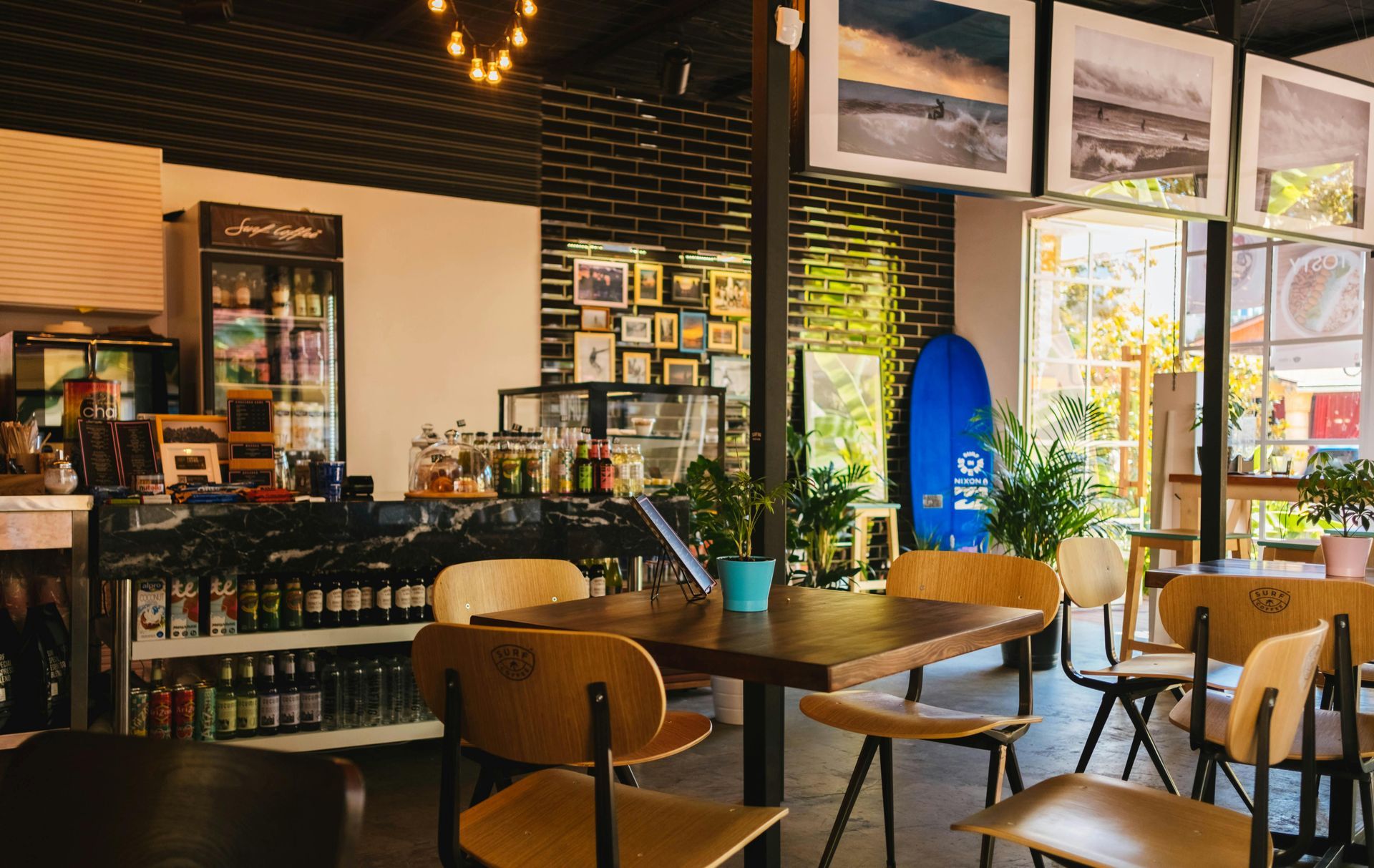
If your website is not turning mobile searches into seated guests and online orders, it is not doing its job. Diners decide fast. They want menus, hours, a clear path to Reserve or Order Online, and zero friction. We build restaurant websites that do exactly that. This blueprint distills what works right now, from mobile-first layouts and fast-loading pages to clear CTAs, accessible flows, and seasonal promo modules you can launch in minutes. Use it to evaluate your current site or as a plan to go live quickly with our $499 10-page template. What makes a great restaurant website A great restaurant website removes friction and points every visit at a high-intent action. We prioritize a mobile-first layout, page speed, and clarity. That means thumb-ready buttons, readable type, compressed images, and no PDF menus blocking SEO or slowing load time. Your site should feel fast, look appetizing, and make the next step obvious. We also integrate the tools guests already use. If you accept reservations, we add your table reservation system with prominent Reserve buttons. If you offer takeout and delivery, we integrate ordering partners and secure payments, then track conversions so you can see what drives orders. The conversion checklist we use on every build Clear primary CTAs: Reserve, Order Online, Call, Directions Menu UX that is easy to browse, filter, and update without PDFs Hours, address, parking, and map presented above the fold on mobile Fast-loading pages with compressed images and stable layouts Accessibility with AudioEye for alt text, keyboard navigation, and monitoring Schema markup for menus, locations, and events to strengthen search results Mobile-first layout and speed Most diners check your site on their phone while deciding where to go. We design for one-handed use, with sticky CTA bars, short sections, and scannable content. Speed matters, so we compress images, defer non-critical scripts, and keep layout simple. Small changes here typically reduce bounce rates and increase clicks to Reserve and Order Online. If you are comparing partners, look at their approach to hospitality website design and how they handle image optimization, caching, and Core Web Vitals. Performance is not a nice-to-have in this space, it is revenue. Menu UX and online ordering Menus sell the experience. We build interactive, mobile-first menu pages that replace static PDFs. Guests can jump between sections, filter dietary requests, and tap directly to book or add to cart. Your team can update items, photos, and prices in minutes so the menu online always matches what is on the line. When you are ready for deeper ordering capabilities, we integrate restaurant online ordering systems and secure online payment solutions with centralized analytics. The benefits of online ordering for restaurants include higher average ticket sizes, better repeat behavior through loyalty, and usable data that feeds smarter seasonal promotions. Accessibility that protects guests and your brand An accessible site serves more guests and reduces risk. We implement AudioEye-powered features, including alt text guidance, keyboard navigation, color contrast checks, and ongoing monitoring. Accessibility should include your entire conversion path, so we test reservation and ordering flows to keep them usable for everyone. Seasonal and promotional modules you can launch fast Restaurants run on seasons. Our templates include promo modules for Valentine’s Day, Mother’s Day, Thanksgiving, and more. You can add a banner, a countdown, or a dedicated landing page with prix fixe details and direct CTAs to Reserve or Order. With our dashboard, teams can spin up timely campaigns in minutes and pair them with PPC or email for maximum impact. For ideas that connect channels, see how our restaurant digital marketing approach ties seasonal pages to paid and organic reach, then measures what converts. Page-by-page structure that drives action Here is the 10-page structure we recommend for most restaurants. Homepage: above-the-fold hero with food photography, one-sentence value prop, and two primary CTAs, plus today’s hours, address, and map links. Menu: interactive menu sections, dietary tags, chef notes, and Reserve or Order buttons at logical breaks. Order online: branded ordering entry with category shortcuts, checkout trust signals, and clear delivery or pickup messaging. Reservations: embedded booking widget, party-size options, private dining prompt, and phone fallback for special requests. Hours and location: live hours for each day, holiday notes, parking and transit info, Google Map embed, click-to-call, and directions. About: origin story, chef or owner profile, press logos if available, and social proof that builds trust. Private dining: room capacities, sample menus, inquiry form, and seasonal packages. Gift cards: buy digital or physical cards, balance lookup, and holiday promos. Gallery: fast-loading, optimized restaurant food photography that supports brand and conversion. Contact: simple form, call and email links, and web chat if you use it. Our $499 template and integrated stack We offer a $499 10-page template that follows this blueprint and includes hosting. It is built for speed, SEO, accessibility, and quick edits, and it integrates with reservation partners, ordering, and analytics. You get a clean dashboard to update menus, hours, promos, and seasonal modules in minutes. For ongoing visibility, we offer SEO for restaurants starting at $139 per month and an ADA compliance subscription at $39 per month with AudioEye. If you need a custom look or specific workflows, we tailor the design and keep the same conversion-first principles. Explore our approach to restaurant web design and see how we connect branding, UX, and performance. SEO and schema that make you discoverable We structure pages and metadata around high-intent searches, build FAQ content that answers real questions, and apply schema for Restaurant, Menu, LocalBusiness, and Events when relevant. This supports Google Maps, near me searches, and rich results. For multi-location operators, we plan location pages with consistent NAP details and local SEO for restaurants best practices. If you are already investing in paid media, pairing conversion-ready pages with PPC for restaurants can lift return and fill seasonal gaps. We track everything, from clicks on Reserve and Order Online to gift card sales. For a full stack that aligns website, content, and promotion, see our restaurant marketing strategies and how we coordinate email marketing for restaurants, social, and on-site CTAs to increase restaurant sales. Measuring what matters We integrate analytics and set up conversion tracking for reservations, online orders, calls, map clicks, and gift card purchases. You see which channels, pages, and promos drive revenue. With this data, you can shift spend quickly and double down on what works. Quick FAQ How do you make a good restaurant website? Start with mobile-first design, fast loads, clear CTAs, interactive menus, visible hours and location, and accessible flows. Integrate reservations and ordering, use schema, and measure conversions. What should a restaurant website contain? The essentials include Homepage, Menu, Order Online, Reservations, Hours and Location, About, Private Dining, Gift Cards, Gallery, and Contact. Add seasonal promo modules and FAQs that address parking, dietary options, and delivery. How long does it take to make a website for a restaurant? Timelines vary by scope, but with our $499 template and streamlined process, launches can happen quickly once content is approved. Some clients have gone live in days. Custom builds take longer based on features and feedback. How much does a restaurant website cost? Our base package starts at $499 for a 10-page template with hosting. Optional services include SEO from $139 per month and ADA compliance monitoring at $39 per month. Custom projects are scoped to your needs. Which website builder is best for restaurants? The best platform is the one that delivers speed, easy edits, ordering and reservation integrations, accessibility, and clean analytics. We provide a purpose-built stack for hospitality so operators can manage content fast and convert traffic reliably. Next step If you want a site that fills more tables and grows online orders, we would love to help. Book a free consult or request a quick demo. We will map your pages, integrate reservations and ordering, and show you how to launch seasonal campaigns fast.
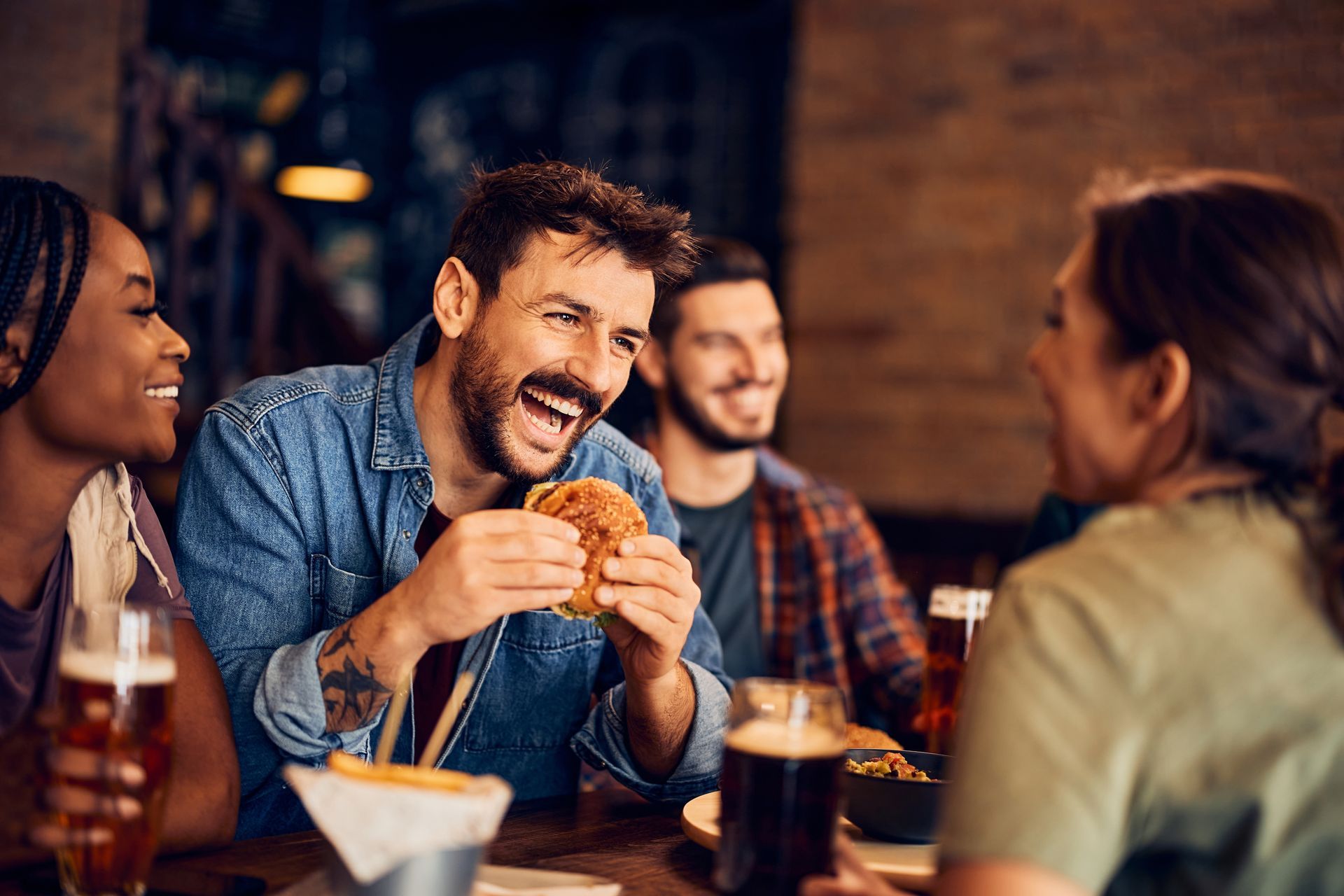
You already know great food brings guests in. In 2026, the right digital tools keep them coming back. With a few smart systems working quietly in the background, you can greet diners faster, answer questions instantly, personalize offers, and build a loyal community that fills seats week after week. Here is how to make engagement technology feel simple, friendly, and profitable. First things first: what is a customer engagement tool? A customer engagement tool is any digital system that helps you start, maintain, or deepen a relationship with your guests. It can welcome visitors on your site, collect preferences during checkout, remember birthdays, send a timely offer before the weekend, or help a table move from discovery to reservation in seconds. The best tools work together so every interaction feels consistent and helpful. Examples of engagement tools in restaurants Real-time web chat that acts like a virtual concierge, answering menu and reservation questions and guiding guests to book or order online. Restaurant booking software that syncs with your website and Google, reduces phone tag, and confirms or waitlists guests automatically. Loyalty and rewards that turn first timers into regulars with points, stamps, or surprise-and-delight perks. Email and SMS automation that segments by behavior and timing, then sends offers tied to what guests actually want. Integrated online ordering with secure payments and fast mobile checkout that remembers favorites and nudges reorders. Review and reputation workflows that request feedback after visits and route five star reviews to Google while alerting your team to fix issues quickly. Social and content tools that showcase seasonal menus, events, and specials, then drive clicks to book or order. You do not need them all at once. Start with the one that removes the most friction for your guests, then connect the rest. Which tool is used for engagement? The quick answer If you choose only one, start with web chat on your website. It meets guests at the exact moment they are deciding where to dine. Chat can answer “Do you have gluten free options?”, send a link to tonight’s specials, place a to go order, or complete a reservation. Restaurants that add chat see more conversions from site visits because you reduce the wait for answers to zero. If you are focused on repeat business, pair chat with a simple loyalty program and email or SMS automation. Together, they capture the visit, learn preferences, and bring guests back with timely, personal messages. How these tools improve your restaurant customer experience Faster decisions. Web chat shortens the path from question to booking, while a streamlined reservation flow confirms in seconds. Less friction. Mobile ordering with stored details means guests can reorder favorites in a few taps, and secure online payment reduces lines and phone calls. Personal touches at scale. Loyalty and automation remember allergies, visit frequency, and favorite dishes, then deliver relevant offers that feel thoughtful, not generic. Confidence and clarity. Real time updates to hours, menus, and holiday events keep information accurate so guests trust what they see. Accessibility and inclusivity. ADA minded website features like alt text, keyboard navigation, and descriptive links make it easier for everyone to book or order. When you reduce friction and add clarity, your team wins time back on the floor, and your guests get exactly what they need. The essential customer engagement stack for 2026 1. Web chat as your 24/7 host. Greet visitors, answer FAQs, route to reservations, or open an order link. Add quick reply buttons like “View menu,” “Reserve a table,” and “Call now.” 2. Reservation and waitlist system. Offer instant booking, SMS confirmations, and table pacing. Connect it to your website, Google Business Profile, and email flows. 3. Online ordering, payments, and loyalty. Keep ordering branded and mobile first, support secure online payment solutions, and enable sign up at checkout so every order can become a repeat. 4. Email and SMS automation. Segment by first visit, lapsed guest, birthday month, cuisine preference, and daypart. Schedule campaigns tied to weather, holidays, or live inventory. 5. Reviews and reputation flow. Send a friendly follow up asking how the visit went. Direct happy guests to public reviews and route issues to your team for private resolution. With these five in place, you cover discovery, decision, transaction, and return visits in a cohesive loop. Real examples that move the needle: A neighborhood bistro adds web chat and sees more weekday covers because guests ask about patio seating, then book in the same interaction. A pizza shop launches a points based loyalty program with SMS reminders. Reorder rates climb on Friday afternoons, and guests redeem double points during slow hours. A steakhouse connects its holiday prix fixe page to reservations and email automation. The campaign fills New Year’s Eve two weeks earlier than last year, and gift card sales rise thanks to a timely upsell in the confirmation email. A cafe integrates online ordering with secure payments and a “ready in 12 to 15 minutes” promise. Lunch lines shrink, reviews mention speed and accuracy, and staff focus on hospitality rather than phone orders. These are simple, repeatable wins: answer fast, make booking and ordering effortless, follow up with value. Customer engagement strategies you can implement this month Map your most common questions, then create web chat prompts and quick replies that solve them. Offer a small instant perk for loyalty sign up at checkout; keep enrollment to one screen. Build two automations: a 7 day “thank you, see you soon” offer and a 30 day “we miss you” check in tied to a popular appetizer. Add a pre holiday reservations plan that includes an email, a social teaser, a short landing page, and an SMS nudge for loyal guests. Close the loop on feedback: send a review request within 24 hours, reply to every review, and track themes in a simple dashboard. Consistency beats complexity. Start lean, measure, and expand. How Delicious Marketing Experts brings it all together We design and integrate the full engagement stack so it works as one. That includes web chat services for restaurants connected to your reservation and ordering flows, loyalty setup with email and SMS automation, and fast, mobile first pages that convert. If you are planning your next push, we also align campaigns across channels so your scale, we map data from your chat, reservations, and loyalty into practical restaurant digital marketing turns discovery into bookings and orders. When you are ready to restaurant marketing strategies that consistently fill seats. Prefer to start with the biggest quick win? We recommend launching chat and reservations first, then layering loyalty and automation. We handle setup, templates, analytics, and training so your team can focus on hospitality. Quick FAQ roundup What is a customer engagement tool? A system that helps you connect with guests, answer questions, personalize offers, and encourage repeat visits. What are examples in restaurants? Web chat, reservations, loyalty, email and SMS automation, online ordering with payments, and review workflows. Which tool is used for engagement? Web chat if you want immediate conversions, loyalty plus automation if you want repeat visits. How can the experience be improved? Remove friction in booking and ordering, communicate clearly, personalize offers, and follow up with care. What strategies work now? Start with chat prompts, simple loyalty, two core automations, and a feedback loop that closes the gap between visits and reviews. Wrap up: make every touchpoint count The right tools help you greet guests faster, remove friction, and keep people coming back. Start with chat and reservations, add loyalty and automation, then refine what works. If you want an experienced partner to connect the pieces and show results quickly, we would love to help. Book a quick consult with Delicious Marketing Experts to see how we can plug these customer engagement tools into your strategy and fill more seats, more often.
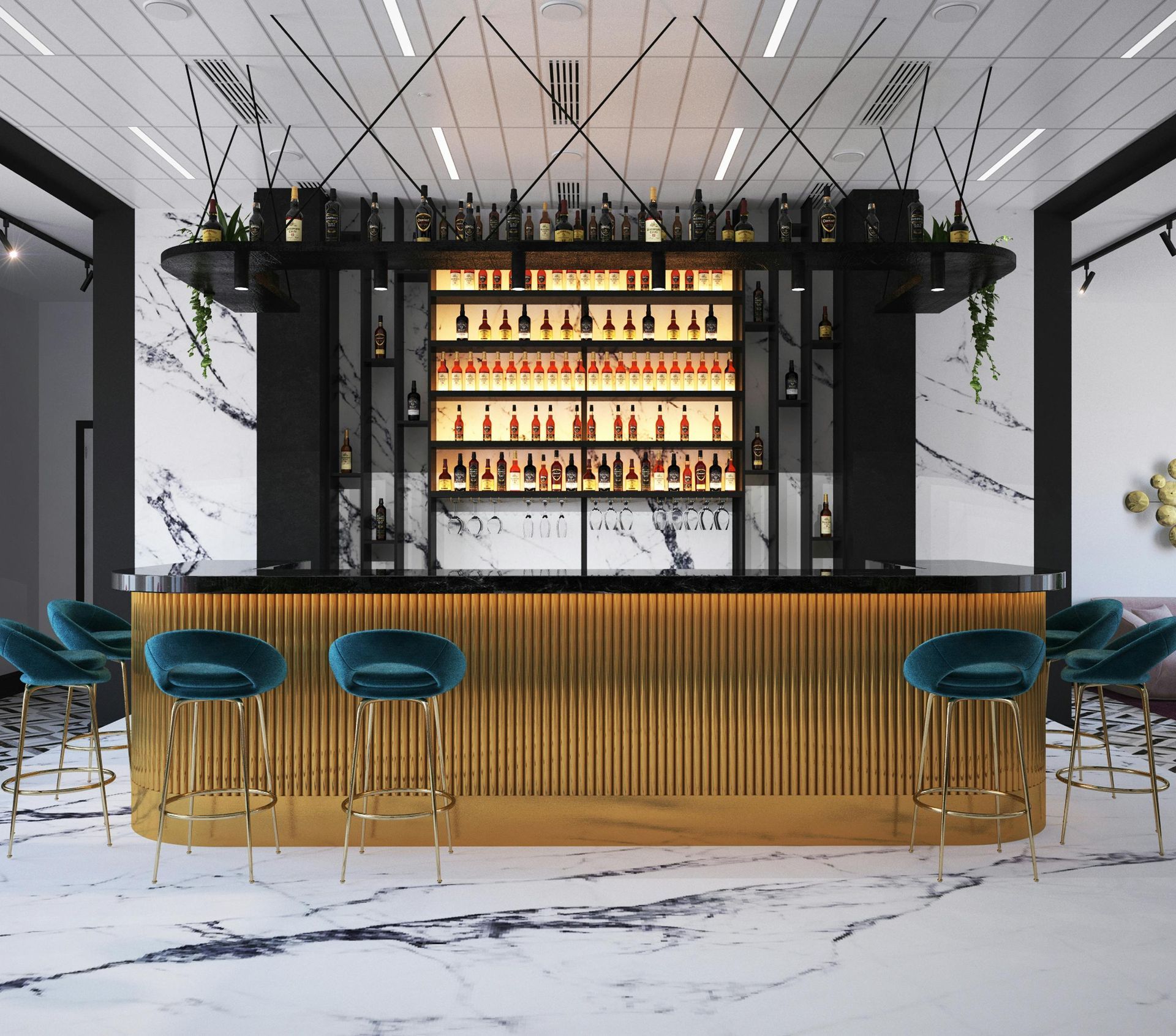
The way guests discover, choose, and return to restaurants and hotels has changed fast. You are no longer just competing on the corner of Main Street. You are competing in search results, maps, social feeds, inboxes, and mobile ordering apps. The good news, you can reach the right guests with a smart plan and a few proven moves. This guide breaks down hospitality marketing in simple terms, shows how digital channels work together, and gives you practical ideas to attract new guests while keeping regulars coming back. What is hospitality marketing? Hospitality marketing is the strategy and execution that brings guests to your venue, encourages them to reserve or order, and motivates them to return. It covers every touchpoint, from your brand and menu presentation to your website, search visibility, social content, email campaigns, reviews, and offers. For restaurants, that could mean launching a seasonal menu page with online ordering and a clear call to reserve. For hotels, that might be optimizing your booking experience and showcasing amenities through targeted search ads and local content that answers guest questions. Great hospitality marketing blends storytelling with conversion. You highlight what makes your experience special, then make it effortless to book, call, or order in a few taps. The four Ps of marketing for restaurants You have heard of the classic four Ps. Here is how they translate for restaurants today. Product: Your menu, service style, ambiance, and even your plating. Keep your core menu tight and profitable, then shine a spotlight on signature items. Use fresh photography and descriptions that answer dietary questions and drive cravings. Price: Align pricing with your positioning and costs, and be transparent across your channels. Online pricing should match in-store, with clear modifiers and fees. Consider bundles and fixed price menus to increase average check without confusing the guest. Place: Make it easy to get your food. Dine in, takeout, curbside, delivery, catering, and events all count. Your Google Business Profile, maps listings, and website contact details must be accurate and consistent so guests can find you fast. Promotion: Everything you do to get attention and convert it into reservations and orders. Social posts, local SEO content, email campaigns, influencer shoutouts, ads, partnerships, and loyalty offers. Promotions work best when tied to clear calls to action, such as Reserve now or Order for pickup. These fundamentals are still the foundation, even as the channels evolve. How digital channels are transforming hospitality Digital is now the front door to your business. Your website, search presence, social content, and inbox communication often shape the first impression, then guide guests to act. Your website is the control center. A fast, mobile-first site with prominent buttons for menu, order online, and reservations can lift conversions immediately. Strong visuals, clear hours, click-to-call, and maps remove friction. Search and maps capture intent. Local SEO helps you appear for near me searches and cuisine-based queries. Structured pages, accurate listings, and weekly Google Posts keep you competitive. Social media drives discovery. Short videos and photo carousels of your signature dishes, behind-the-scenes prep, or seasonal experiences build desire. Link directly to your ordering or reservation flow. Email nurtures repeat visits. Send mouthwatering visuals and timely offers tied to holidays, chef features, or loyalty rewards. Segment by location or interest to keep messages relevant. Online ordering and payments streamline revenue. A smooth checkout that works beautifully on mobile reduces drop-off and turns browsers into repeat customers. Together, these channels create an always-on system that attracts, converts, and retains guests. How to promote your restaurant online Start with core essentials, then layer in campaigns. Nail your website. Feature your menu and a clear Order Online button above the fold. Add reservation integration, click-to-call, and a map with one-tap directions. If you are planning a redesign, explore hospitality website design that prioritizes speed and conversions. Optimize local search. Claim and fine tune your Google Business Profile, add fresh photos weekly, write concise descriptions for menu items, and respond to reviews. Consistency across directories matters. Launch focused social content. Use three content pillars, signature dishes, team and story, and timely specials or events. Keep captions actionable and link to a page that converts. Use email for retention. Promote seasonal menus, gift card offers, and first-to-know events to turn subscribers into seated guests. Start with one send per month, then increase for holidays and special occasions. Run smart promotions. Bundle a fan-favorite entrée with a drink or dessert. Offer limited-time prix fixe. Create a weekly reservation push with an incentive for early bookings. Measure and refine. Track clicks, reservations, orders, and average check size. Keep what works, tweak what does not, and repeat. If you want a deeper plan, you can explore restaurant marketing strategies that combine SEO, social, PPC, and on-site conversion into one system. How to attract customers to a hotel Hotels benefit from the same principles with a few twists. Lead with location and value. Showcase proximity to attractions, business districts, or venues. Package rooms with parking, breakfast, late checkout, or partner experiences. Build conversion focused pages. Feature room types with clear photos, amenities, and real-time rates. Place Book Now buttons in predictable spots and reduce form fields to essentials. Optimize for local search and maps. Create content that answers traveler questions, parking details, early check-in, pet policy, nearby dining, and events. Post weekly updates to keep your listing fresh. Use social proof. Encourage reviews and guest photos. Highlight awards, cleanliness standards, and staff shoutouts. Run timely campaigns. Weekday corporate offers, weekend romance packages, event or festival tie-ins, and extended stay specials. Promote through paid search, social ads, and your email list. Make mobile effortless. Many bookings happen on phones. Speed and clarity matter, from the homepage to confirmation. Why work in hospitality marketing? If you love food, travel, service, and measurable results, hospitality marketing is a rewarding path. You get to tell real stories, help local businesses grow, and see the direct impact of your work on tables filled and rooms booked. It blends creativity with analytics. You can shoot a mouthwatering photo before lunch, then optimize a booking funnel by dinner. You also learn fast, since guest feedback and performance data give you daily insight into what works. Build campaigns that keep guests coming back Retention is where profit lives. Combine simple tactics and consistent follow-through. Welcome new guests with a thank you email and an offer to return within 14 days. Use seasonal menus and limited-time features to create urgency. Celebrate moments, birthdays, anniversaries, local events, and offer easy reservation links. Keep your photography fresh to reintroduce core items in a new light. Respond to feedback quickly and publicly. Thoughtful replies turn near misses into loyal fans. If you need help managing reviews and guest responses across channels, learn more about restaurant reputation management and how it fits into your broader plan. How Delicious Marketing Experts can help If you want a partner that understands hospitality first, we are here. Our team builds conversion focused sites, optimizes local SEO, and runs campaigns that turn attention into reservations and orders. We design fast, mobile-friendly pages with click-to-call, instant booking, and online ordering. We plan seasonal promotions, create on-brand content, and manage analytics, so you can focus on service while we drive demand. Website and user experience: Mobile-first builds with menus, ordering, and reservations placed where guests expect them. Local SEO and Google Business Profile: Category tuning, weekly posts, fresh photos, and structured FAQs that show up in near me searches. Campaigns and content: Social, email, photography, and PPC coordinated to support peak seasons, events, and ongoing growth. Curious what a full plan could look like for your location count, average check, and seasonality, explore restaurant digital marketing with a free consultation. We will review opportunities, map quick wins, and suggest a roadmap that fits your operations. Final takeaways Start with the four Ps, then bring them to life online. Make your website fast and clear, with direct paths to order and reserve. Show up where intent is highest, search, maps, and inbox. Use social to spark desire and email to build loyalty. Measure results and keep improving. You can start small, one focused page, one weekly post, one email, and still see real movement. When you are ready to level up and create a system that runs every day, we are here to help.
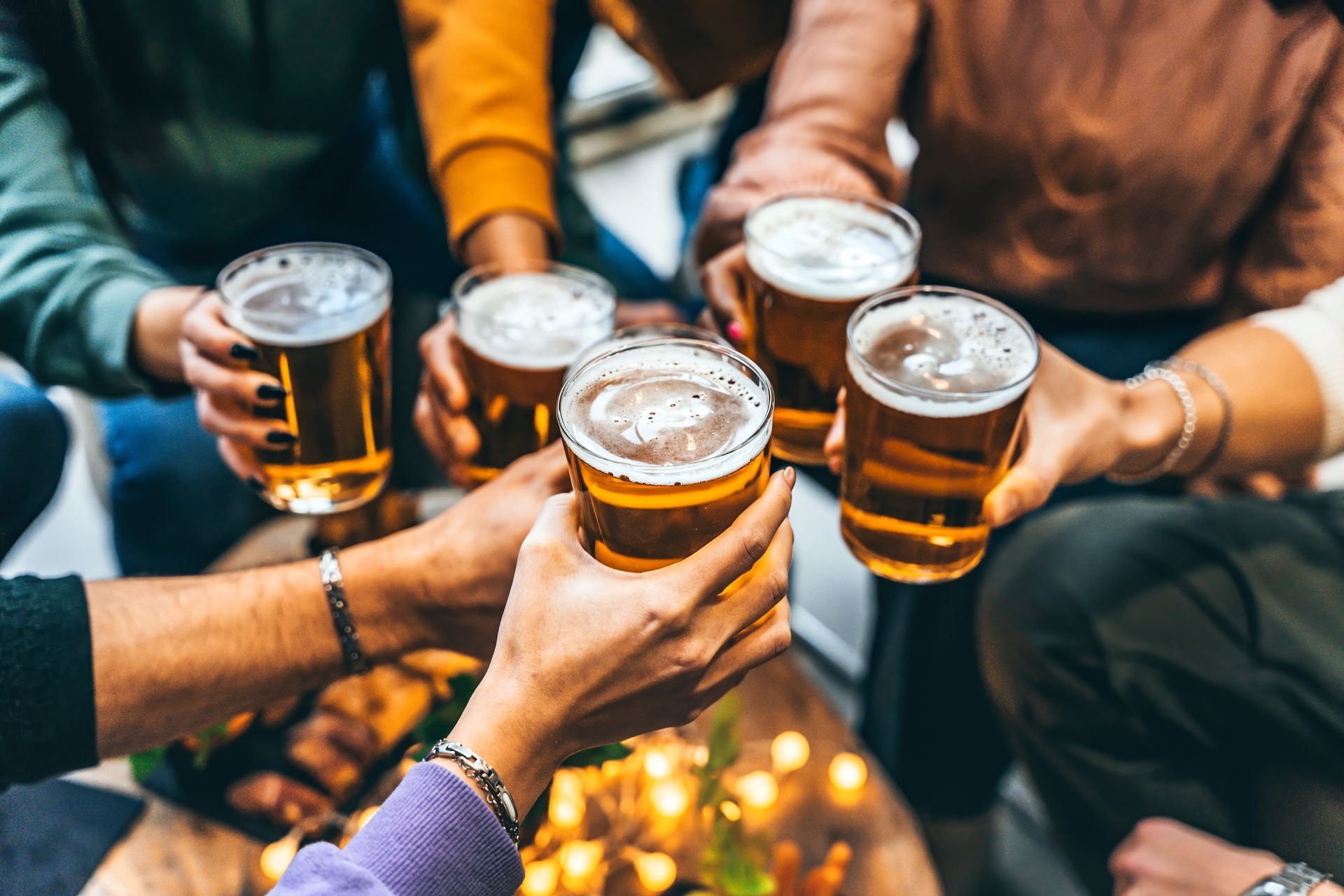
If most of your new guests find you on Google, you are not alone. Search is where customers decide where to eat tonight, who delivers in their neighborhood, and which brunch spot takes reservations. The good news,you do not need a huge budget or a marketing degree to show up. With the right SEO basics and a consistent routine, you can climb local results, get more calls, and turn website visitors into reservations and orders. In this guide, you will learn what SEO is, how it works, and the essential steps to do SEO for restaurants without overspending. You will also see where Delicious Marketing Experts can help when you want expert support at an affordable monthly price. What SEO Is and How It Works SEO, search engine optimization, helps your website appear higher in search results when people look for restaurants like yours. Search engines scan your pages, understand your location and offerings, and rank you based on relevance and quality. Here is the simple version of how SEO works: Research what your guests search for, then use those keywords in your titles, headings, and menu pages. Make your website fast and mobile friendly so guests can find hours, call, and order without delay. Prove your location and credibility with Google Business Profile, accurate listings, and consistent name, address, phone number. Publish helpful, local content so search engines see you as active and relevant in your neighborhood. Earn trust through reviews and photos, then keep everything up to date. Do these well and you increase your chances of showing up in Google Maps, local packs, and mobile searches like pizza near me. The SEO Basics Every Restaurant Should Cover You can make real progress by focusing on a few high impact tasks. Mobile first website: Most local food searches happen on phones. Your pages should load quickly, show clear calls to action, and make it easy to tap order online, call now, or book a table. If you are planning updates; prioritize speed, readable text, big buttons, and accessible menus. Clear site structure: Create pages that match how guests search, such as Menu, Order Online, Reservations, Hours and Location, About, and each location if you have more than one. Use short, descriptive URLs andheadings like Italian Restaurant in Lincoln Park or Best Happy Hour in Lakeview to signal relevance. Keyword alignment: Think like your customer. If your audience searches gluten free pizza Chicago or late night tacos near me, your pages should reflect those phrases naturally. Add them to page titles, meta descriptions,H1 headings, and menu item descriptions, but keep it readable and human. Google Business Profile Claim or optimize your profile: Add categories, a strong description, hours, attributes like outdoor seating, and a link to order or reserve. Upload fresh photos and respond to every review. Postweekly updates for specials or events to keep your listing active. Reviews and reputation: Ask happy guests for reviews and reply to each one. Thank positive reviewers, resolve issues openly, and use the feedback to improve. Reviews influence rankings and conversions, so treat them like a core marketing channel. Local signals and citations: Make sure your name, address, and phone number are consistent across directories and social profiles. Add location schema to your site and embed a map on your contact page to reinforce your neighborhood presence. Content that answers intent: Publish quick, useful content, such as a seasonal menu feature, a guide to pairing your signature dishes with local events, or a post about your best dishes for takeout. Each piece creates another path for searchers to find you. How to Do SEO for Restaurants Step by Step You can follow this simple roadmap to get started in a week, then build momentum each month. Week 1 setup: audit your website for speed, mobile experience, and broken links; optimize your Google Business Profile; confirm your name, address, phone number across platforms; list your top five keyword themes by cuisine, neighborhood, and signature dishes. Month 1 updates: create or refresh key pages, add structured headings, compress images, and link clearly to order online and reservations. Write unique title tags and meta descriptions that include your location and primary keywords. Ongoing routine: post a weekly Google Business update, add two to three new photos, ask for reviews after busy nights, and publish one short blog or landing page per month aligned to seasonal items or events. Quarterly improvements: expand location pages, add FAQ sections that address delivery, parking, dietary options, and private dining, and refine internal links to guide visitors to menus and booking. If you prefer a partner to handle these tasks, our team manages setup and ongoing optimization while you focus on service and food quality. Our advanced SEO services start at $139 per month. Is SEO Worth It for Restaurants Yes, because search is where high intent diners choose. A local ranking increase can lead to more map visibility, more calls, and a steady flow of orders without paying for each click. SEO also compounds over time. You build assets that keep working, such as strong location pages and authoritative profiles. If your budget is tight, start small, stay consistent, and track calls, reservations, and online orders to prove ROI. How Much Should You Pay for Local SEO Independent restaurants often invest between a modest monthly fee for basic maintenance and a mid tier for ongoing content, profile updates, and technical fixes. At Delicious Marketing Experts, advanced SEO packages start at $139 per month, designed for local visibility, mobile performance, and measurable results. The right spend matches your goals, competition, and market. If you are in a dense dining district, plan for more content and review generation. If your town is smaller, a lighter plan can perform well. Which Tool Is Best for SEO Use a small toolkit you will actually maintain: Google Business Profile, essential for maps, reviews, and updates. Google Analytics and Search Console, free visibility into traffic and search queries. A site platform with easy edits and fast hosting, speed and mobile performance matter more than fancy features. An image compressor to keep pages fast. If you want deeper reporting or hands off management, we provide dashboards, keyword tracking, and content support that translate data into actions you can take this week. Quick Wins You Can Do Today Add your town and cuisine to your homepage title and H1. Create a clear Order Online button at the top of every page. Post three new photos and a special to your Google Business Profile. Ask your staff to invite reviews with the short link after each table closes. Check that hours, menu, and phone number match across your website and listings. How Delicious Marketing Experts Helps We build restaurant first sites that load fast, look great on phones, and guide guests to order or reserve. We tune your Google Business Profile, align keywords with your menu and neighborhoods, add schema and location signals, and maintain a steady cadence of updates so you keep moving up. If you are ready to attract more local diners with affordable help, our SEO team can get you set up quickly and grow with you month after month. If you are planning a new website or refresh, explore our hospitality website design options to improve speed, accessibility, and conversion paths, then keep momentum going with seo for restaurants and consistent local updates. For broader growth, see how smart restaurant marketing strategies connect SEO with content, social, and promotions to turn searchers into regulars. Final Takeaways SEO is not mysterious, it is a set of simple habits. Make your site fast and mobile friendly, align pages to what locals search for, optimize your Google profile, earn and respond to reviews, and update content regularly. Start with tasks you can do in a week, then chip away each month. When you want a partner, Delicious Marketing Experts offers affordable, restaurant focused SEO that helps you show up where it matters, on the screens your future guests are already holding.
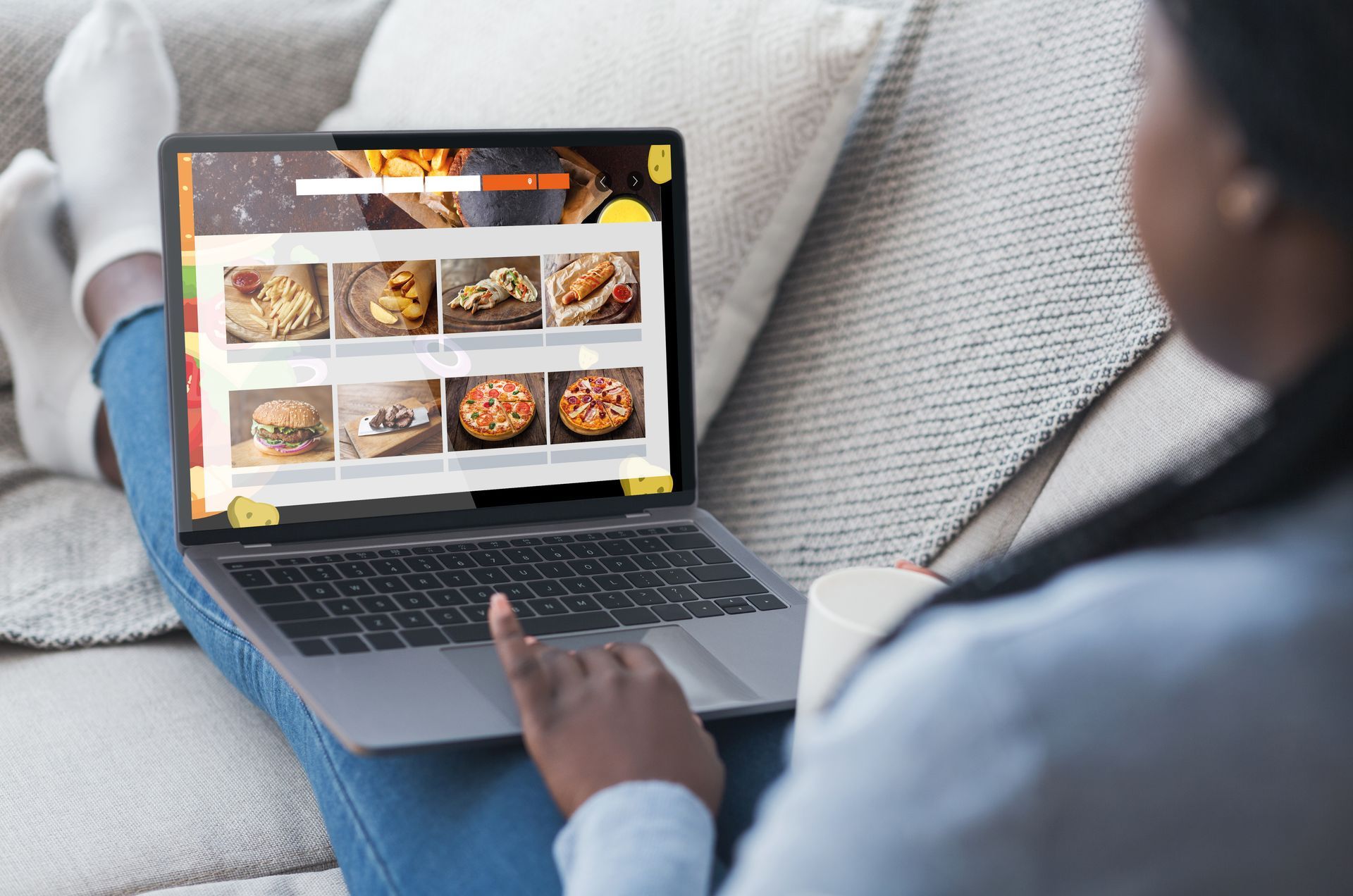
Imagine this: A hungry couple is walking downtown, smartphones in hand, searching for the perfect spot to spend their Friday night. They scroll past endless social posts, pull up search results, tap restaurant websites, and choose the one that’s easy to view, quick to book, and lets them peek at the menu—all in seconds, right from their phone. Did they just pick you, or your competitor? A mobile-friendly, modern website is no longer optional, and by 2025, it will be the very first impression your restaurant makes. In our fast-paced, mobile-powered world, your online presence is your new front door. Let’s break down why a responsive website is the cornerstone of restaurant success and how you can make sure you’re standing out for the right reasons.